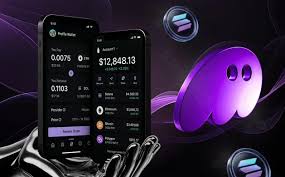
Phantom Wallet Extension Brave
Phantom Wallet Extension Brave: Secure, Fast, and Ready for Web3
The Phantom Wallet Extension Brave combo gives you a private, ad-blocking browser and a top-tier multichain wallet built for speed. With Phantom, you can manage Solana, Ethereum, Polygon, and Bitcoin assets, swap tokens, collect NFTs, and connect to your favorite DApps right inside Brave. This guide shows you how to install, set up, and optimize the Phantom Wallet Extension Brave experience so you can explore Web3 with confidence and control.
At a glance: private browsing, multichain support, smooth DApp connections, NFT tooling, built-in swaps, and smart security for a frictionless Brave setup.
What Is Phantom Wallet on Brave?
Phantom is a user-friendly, non-custodial crypto wallet extension. When installed on Brave, it becomes your gateway to decentralized apps, NFTs, and token management across Solana, Ethereum, Polygon, and Bitcoin. Because it’s non-custodial, you control your private keys and recovery phrase. Pairing Phantom with Brave’s privacy-first design delivers a smooth, secure Web3 stack that’s fast, familiar, and lightweight for daily crypto activity.
Why Use the Phantom Wallet Extension Brave Setup?
- ✅ Multichain made simple: Manage SOL, ETH, MATIC, BTC, tokens, and NFTs in one interface.
- ✅ Privacy by default: Brave’s Shields plus Phantom’s non-custodial model keep you in control.
- ✅ Built-in swaps: Swap tokens directly inside Phantom without hopping between sites.
- ✅ Seamless DApp connections: One-click connect to DeFi, GameFi, and NFT marketplaces.
- ✅ Human-friendly UX: Clean design, clear prompts, and frictionless signup/import.
- ✅ Hardware wallet support: Connect a Ledger for added protection on supported networks.
How to Install the Phantom Wallet Extension on Brave (Desktop)
- Open Brave and visit the official Chrome Web Store listing for Phantom. Verify the publisher and ratings before installing.
- Click ‘Add to Brave’ and confirm when prompted. The extension icon will appear in the toolbar.
- Pin Phantom for quick access: click the puzzle icon in Brave, then pin Phantom to your toolbar.
- Launch Phantom, choose ‘Create a new wallet’ or ‘I already have a wallet’ to import.
- Set a strong password, securely back up your recovery phrase, and you’re ready to go.
Pro move: Bookmark the official site and web store page to avoid phishing. Always double-check you’re installing the authentic Phantom Wallet Extension Brave listing.
Creating or Importing Your Wallet
Create a new wallet
Click ‘Create a new wallet’ to generate a fresh recovery phrase. Write it down on paper (not in a screenshot or cloud notes) and store it offline. Confirm the phrase when Phantom prompts you, set a strong password, and enable auto-lock for extra security. That’s it—you now own a brand-new multichain wallet with your keys held locally on your device.
Import an existing wallet
Choose ‘I already have a wallet’ if you’re migrating. You can restore using your 12/24-word recovery phrase or import specific accounts via private key (for supported networks). If you previously used an EVM wallet, importing your phrase may recreate the same EVM addresses in Phantom. Always verify addresses and test with small amounts first.
Funding and Managing Assets on Brave
- ★ Receive crypto: Click ‘Deposit’ in Phantom, copy your address, and send funds from an exchange or another wallet.
- ★ Buy with fiat: Use integrated on-ramp partners (availability varies by region) to purchase assets directly.
- ★ Swap tokens: Access built-in swaps for supported chains—compare rates and network fees before confirming.
- ★ NFTs made easy: View, send, and list NFTs with intuitive previews and metadata where supported.
- ★ Custom tokens: Add tokens that don’t appear automatically by pasting a verified contract address.
Using DApps on Brave with Phantom
Connect to DeFi and Web3 apps
Open a DApp in Brave and select ‘Connect Wallet’. Choose Phantom to authorize. You’ll see a connection prompt in the extension—review the domain, permissions, and network, then approve. You’re live and ready to stake, lend, borrow, swap, or mint.
NFT marketplaces and games
From minting on launchpads to trading on trusted marketplaces, the Phantom Wallet Extension Brave experience is built for speed and clarity. Phantom’s NFT viewer helps you verify what you own, spot pending transactions, and track activity in one place.
Troubleshooting & Brave-Specific Tips
- Brave Shields: If a DApp won’t connect or load, try lowering Shields for that site or allow necessary scripts/cookies.
- Pop-ups: Ensure Brave isn’t blocking Phantom’s connection prompts or transaction windows.
- Clear cache/cookies: For stubborn connection issues, clear site data and retry.
- Network checks: Confirm you’re on the correct chain (Solana vs Ethereum vs Polygon) before sending or swapping.
- Extension conflicts: Temporarily disable other wallet extensions that might intercept DApp connections.
- Reinstall safely: As a last resort, remove Phantom and reinstall from the official listing. Restore using your recovery phrase only if you have it securely backed up.
Phantom vs Other Wallets on Brave: Quick Comparison
| Wallet | Chains | Built-in Swaps | NFT Support | Hardware Wallet | UX & Ease |
|---|---|---|---|---|---|
| Phantom | Solana, Ethereum, Polygon, Bitcoin | Yes | Strong (SOL + EVM) | Ledger (supported networks) | Excellent |
| MetaMask | Ethereum + EVM networks | Yes | Good (EVM-only) | Ledger, Trezor | Very Good |
| Solflare | Solana | Yes | Strong (Solana) | Ledger | Very Good |
Phantom stands out for its balanced multichain support, polished UX, and integrated features—an ideal match for Brave users who want speed without sacrificing security.
Security & Privacy on Brave with Phantom
Your security stack starts with Brave’s privacy features and extends through Phantom’s non-custodial architecture. Always keep your recovery phrase offline and never share it with anyone. Consider a hardware wallet for larger balances and enable autolock so your wallet re-prompts for a password after inactivity.
- 🔒 Recovery phrase safety: Write it down, store offline, and consider a metal backup.
- 🔒 Password hygiene: Use a unique password and a reputable password manager.
- 🔒 Hardware wallet: Connect a Ledger for supported networks when making high-value transactions.
- 🔒 Phishing protection: Verify URLs, bookmark official sites, and beware of fake support messages.
- 🔒 Permissions review: Check connected sites in Phantom and revoke access you no longer need.
Common Use Cases for Brave + Phantom
- DeFi on Solana and EVM: staking, lending, yield strategies, and on-chain swaps.
- NFT minting, collecting, and trading with clear visibility of your assets.
- Cross-network portfolio oversight in one streamlined interface.
- Fast payments, tipping, and transfers using Brave’s privacy-focused browser.
- Developer testing and signing for DApp integrations with predictable UX.
'Own your keys. Own your future.' With the Phantom Wallet Extension Brave setup, you stay in control—private, fast, and ready for what’s next in Web3.
Pro Tips to Elevate Your Experience
- Multiple accounts: Create separate accounts for trading, NFTs, and long-term holds.
- Custom RPCs (advanced): If a network is congested, consider reputable custom RPC endpoints for improved responsiveness.
- Transaction previews: Read prompts carefully—double-check network, amount, and slippage before approving.
- Notifications: Enable Brave notifications so Phantom can alert you to confirmations and requests.
- Small test sends: When trying a new DApp or bridge, send a tiny amount first.
Frequently Asked Questions about Phantom Wallet Extension Brave
Is there an official Phantom Wallet extension for Brave?
Yes. Brave is Chromium-based, so you can install Phantom from the official Chrome Web Store listing. Always verify the publisher name, reviews, and extension ID before adding. Avoid third-party downloads and never install from random links or ads.
Phantom won’t connect to a DApp on Brave. What should I try?
First, refresh the page and reopen Phantom. If that fails, lower Brave Shields for the site, allow pop-ups, and clear site data. Confirm you’re on the correct network, disable conflicting wallet extensions, and retry. If issues persist, reinstall Phantom from the official listing and restore with your secure recovery phrase.
Does Phantom work on Brave mobile?
Browser extensions generally aren’t supported on mobile Brave. For mobile, use the official Phantom app (iOS/Android). You can connect to DApps using Phantom’s in-app browser or deep links where supported, keeping your keys on-device.
Can I import my MetaMask or another EVM wallet into Phantom on Brave?
Yes. You can import via your recovery phrase or by adding specific EVM accounts with private keys. If you reuse the same recovery phrase, some EVM addresses may match. Always verify addresses and start with small test transfers to ensure everything aligns correctly.
Are gas fees lower when using Phantom on Brave?
No. Network fees are determined by the underlying blockchain (e.g., Solana, Ethereum) and current demand, not by the wallet or the browser. Phantom can help you review fees before you confirm, but it does not control them.
How do I use Phantom with a Ledger hardware wallet on Brave?
Connect your Ledger via USB, unlock it, and open the appropriate app (e.g., Solana, Ethereum). In Phantom, go to settings and add a hardware wallet account. If you encounter issues, ensure Brave allows USB/HID access and that other wallet apps aren’t blocking the connection.
Is Phantom open-source and audited?
Phantom maintains security disclosures, operates a bug bounty, and undergoes audits for critical components. Some parts are open-source, though the full extension is not entirely open-source. Always use the official builds and keep your wallet updated.
Ready to go? Install the official Phantom Wallet Extension on Brave, secure your recovery phrase, and step into Web3 with speed and confidence.